
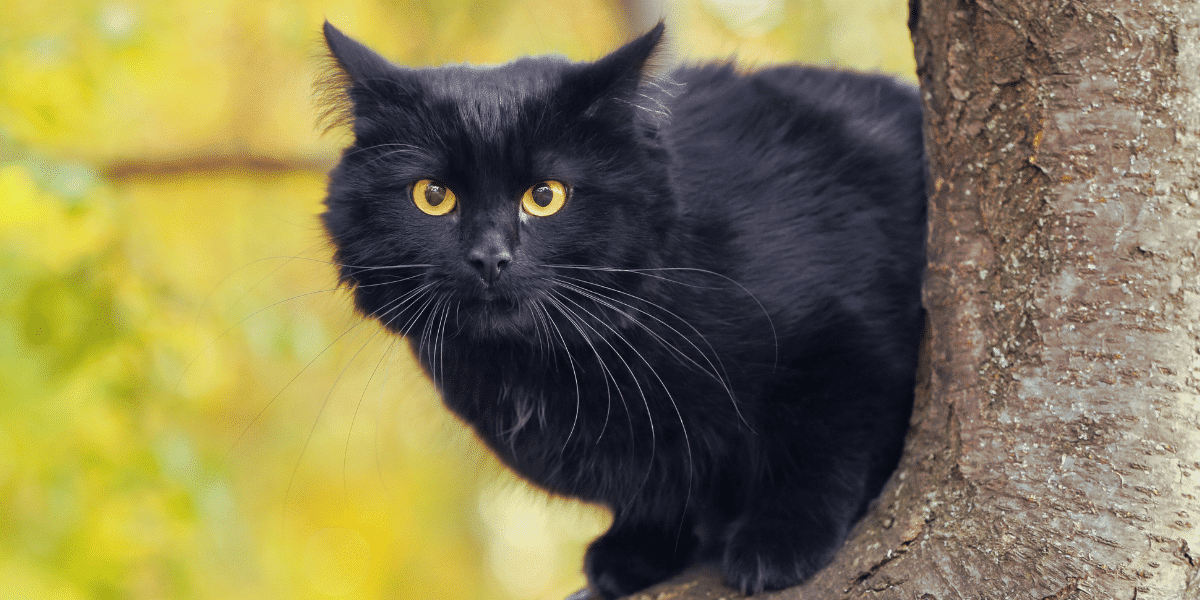

The Historical Context of Black Cats
Historically, black cats were revered in some cultures, yet persecuted in others. In ancient Egypt, cats were worshipped and considered sacred. However, during the Middle Ages in Europe, this reverence transformed into fear:
- As the Black Death swept through Europe in the 14th century, cats were blamed for the spread of the plague, leading to their widespread extermination.
- Superstitious beliefs began to take root, with black cats being associated with witchcraft and the devil.
- The Salem witch trials further entrenched these beliefs, with many black cats being accused of being witches’ familiars.
Modern Misconceptions
One of the most pervasive myths is that a black cat crossing your path is a bad omen. This myth is rooted in folklore that varied by region:
- In some cultures, it was thought that black cats brought bad luck or even death.
- This superstition holds strong among certain groups even today, leading to unnecessary fear around these animals.
Black Cats Around the World
Interestingly, while many Western cultures consider black cats to bring bad luck, other parts of the world view them positively:
- In Japan, black cats are often seen as a sign of good luck and are believed to bring happiness and prosperity.
- In Scotland, a black cat showing up at your home is seen as a symbol of wealth.
- The French historically believe that a black cat crossing your path will bring good
Conclusion: The Importance of Challenging Superstitions
Ultimately, the fear surrounding black cats is unfounded. These felines are just like any other cats, deserving of love, care, and respect. Rather than emphasizing their supposed negative associations, there is a growing movement to celebrate black cats for their beauty and unique personalities.




Facebook Comments