
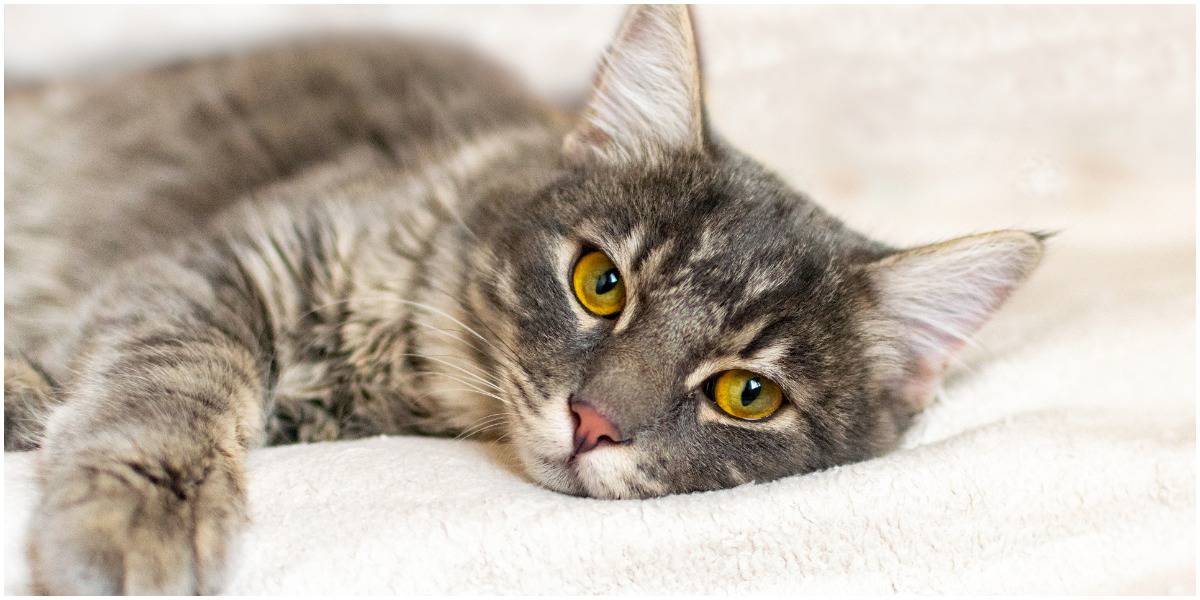

How to Tell If Your Cat Has a Fever Fast
Cats are known to be masters of disguise when it comes to their health. They often hide their pain and discomfort very well. However, fever is one of the conditions that can be easier to detect with some careful observation. Here’s how you can tell if your cat has a fever and what steps you should follow.
Understanding Normal Cat Temperature
A cat’s normal body temperature typically ranges from 99.5°F to 102.5°F (37.5°C to 39.2°C). If your cat’s temperature rises above this range, it may indicate a fever. The best way to confirm a fever is to take your cat’s temperature using a digital thermometer designed for pets.
Signs That Your Cat May Have a Fever
Aside from checking their temperature, you can look for several other signs that might indicate your cat has a fever:
- Loss of Appetite: Cats in discomfort or pain often lose interest in their food. If you notice your cat refusing to eat, take it as a warning sign.
- Refusal to Drink: A cat that is not drinking water can become dehydrated. Check if your cat’s gums are moist, and monitor its skin elasticity by gently lifting the skin on the back of its neck; it should quickly snap back into place.
- Depression or Lethargy: If your cat seems unusually lethargic, sleeping more than normal, or hiding, it might be feeling unwell.
- Shivering: If you notice your cat shivering, this could be a symptom of fever.
- Unusual Behavior: Fever can cause changes in behavior, such as becoming more irritable or withdrawn.
How to Check Your Cat’s Temperature
To accurately check your cat’s temperature, you will need a digital thermometer:
- Get your cat into a comfortable position. It may help to have someone else hold your cat if it tends to squirm.
- Apply a small amount of lubricant on the thermometer tip.
- Gently insert the thermometer into the cat’s rectum, about an inch deep, and hold it there as directed by the thermometer instructions.
- Read the thermometer once it beeps or signals. A reading above 102.5°F typically indicates a fever.
Steps to Take if Your Cat Has a Fever
If you confirm that your cat has a fever, it’s essential to take the following steps:
- Contact Your Veterinarian: It’s important to seek professional medical advice immediately. Describe the symptoms you’ve observed, your cat’s behavior, and the temperature reading.
- Check for Injuries: Look over your cat for any visible wounds, swelling, or signs of pain. Be especially cautious of any warm or swollen areas that might suggest infection.
- Follow Veterinarian’s Instructions: Once at the veterinary office, be prepared to answer questions regarding your cat’s recent activities, any medications it may be taking, and its vaccination status. Treatment may include medication for fever depending on the underlying cause.
When to Worry
If you find that your cat is also exhibiting other concerning symptoms, such as vomiting, diarrhea, difficulty breathing, or any signs of severe distress, these warrant an immediate visit to the veterinarian irrespective of temperature. Early detection and intervention can be crucial in ensuring your cat’s health and wellbeing.
By staying alert to your cat’s behaviors and understanding how to measure their temperature, you can act quickly if you suspect they have a fever. Remember, your feline friend relies on you for proper care, especially when they’re feeling under the weather.

This blog post has been carefully structured to provide a clear, informative resource for cat owners looking to determine if their pet may be experiencing a fever.




Facebook Comments