
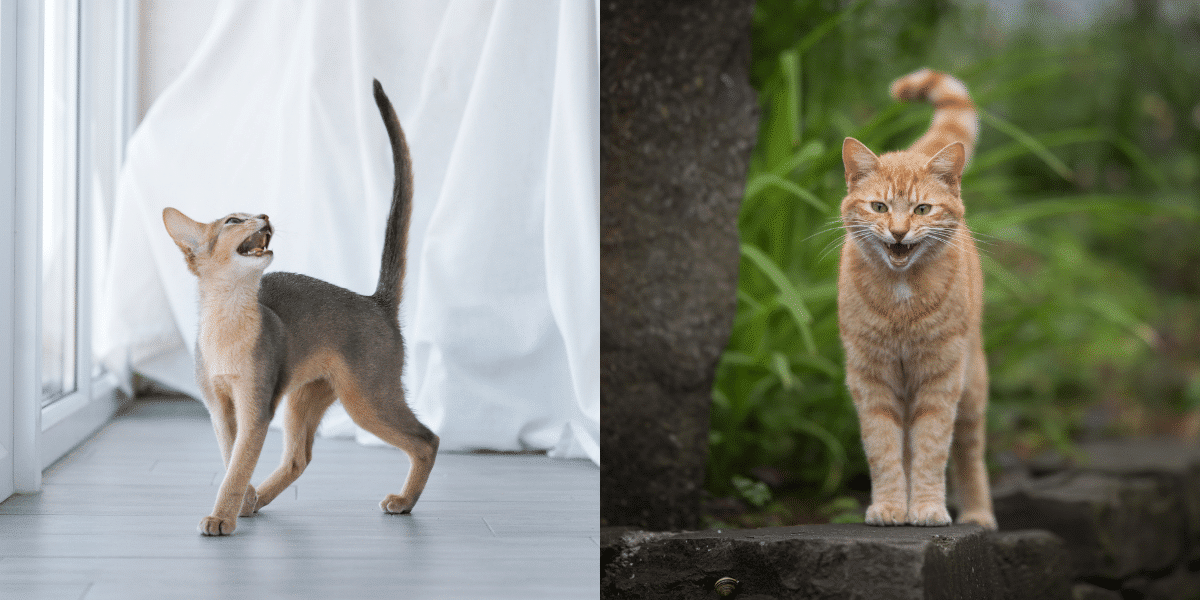

What Your Cat’s Sounds Really Mean Explained Simply
Cats have a unique way of expressing their feelings and desires through vocalizations. These sounds can range from friendly purrs to alarming yowls. Understanding these nuances can strengthen your bond with your feline companion. Here’s a breakdown of the most common cat sounds and what they signify.
1. Meowing: Cat-To-Human Communication
Meowing is primarily a form of communication with humans. Kittens use it to signal their mothers, but most adult cats reserve this sound for communicating with people. Here are a few things it may convey:
- “Hello,” or “Welcome Home.”
- “What are you doing?” – often a curious “Mew?”
- Worry or Annoyance – a drawn-out “Meowww.”
- “I’m hurting.” – if the meowing is constant and frantic.
- “I want something.” (food, attention, etc.)
2. Purring: The Sound Of Contentment Or Stress?
Purring is most commonly associated with a content cat. However, it can also signal stress or discomfort—think of it as the “nervous humming” of cats. To differentiate, observe your cat’s body language:
- If their body is relaxed, the purring indicates happiness.
- If their posture is tense, it may signify stress or anxiety.

3. Growling: An Indication of Danger
Growling is a defensive sound that indicates your cat feels threatened. This sound typically starts low and increases in pitch, potentially followed by a yowl. Signs that your cat is growling include:
- Flat ears
- Puffed-up fur
- Arched back
- Twitching tail
4. Hissing: A Clear Warning
Hissing usually follows growling and is a clear warning sign. It signifies that your cat is feeling scared and is ready to defend itself. Pay attention and give your cat space if you hear this sound.
5. Chirping: An Attention-Getter
Chirping is a playful sound that cats often make to get their owner’s attention. It is typically used by mothers to call their kittens, and adult cats might chirp to draw your gaze to something exciting, such as birds outside.

6. Cat Chatter: The Frustration of a Hunter
Cat chatter often occurs when a cat observes birds or squirrels through the window. This vocalization displays excitement and frustration at their inability to hunt. It’s an adorable sound often accompanied by chirping or squeaking.
7. Yowling: A Call of Distress
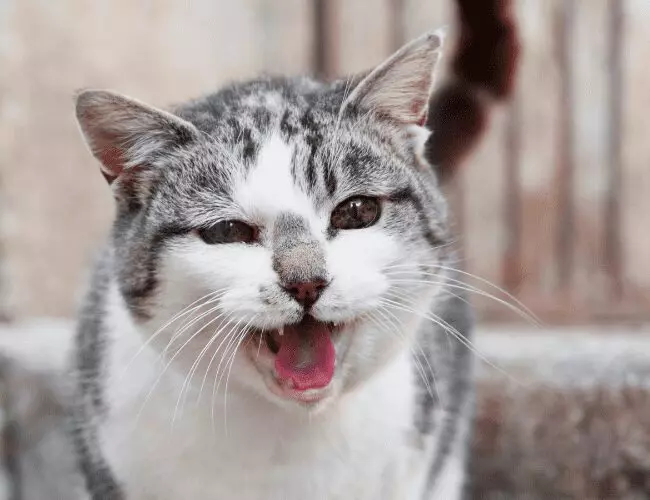
A yowling cat can indicate a range of emotions from loneliness to pain. This sound is particularly common in female cats in heat or during territorial disputes. If yowling accompanies other signs of discomfort or unusual behavior, check with a vet.
8. Caterwauling: The Mysterious Sound
Caterwauling can also occur during mating sequences—it sounds like a combination of a yowl, howl, and a whine. This sound indicates distress or confrontation, especially during fights or territorial disputes.
9. Screaming: A Rare but Alarming Sound
Screaming is typically rare and is most often heard during mating or fights. If you hear this, your cat is likely in a serious altercation or is feeling intense discomfort.
10. Unique Sounds Based on Breeds
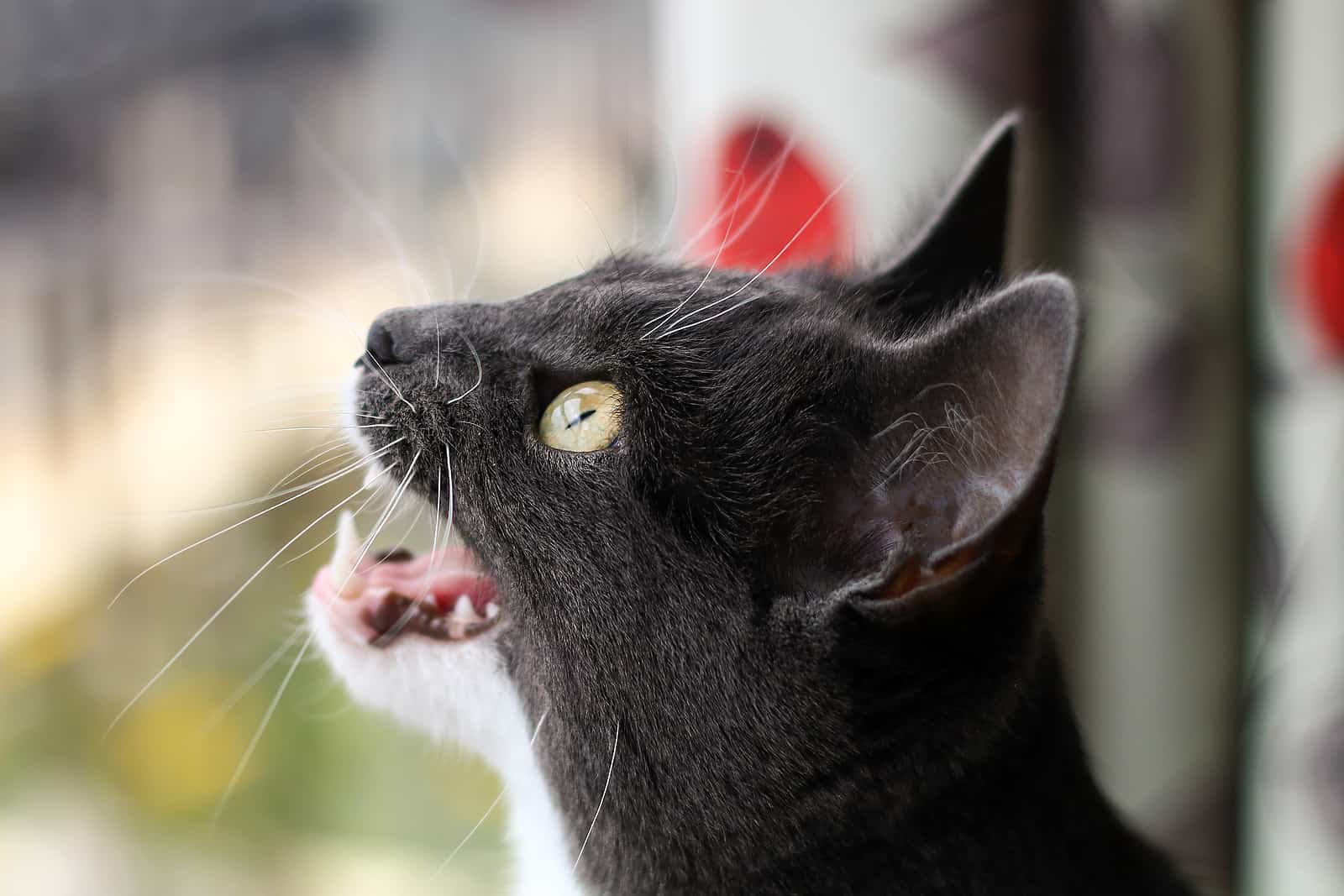
Different cat breeds may have distinct vocalizations. For instance, Siamese cats are well-known for their chatty nature, while breeds such as Persians and Maine Coons may be quieter. The talkativity often correlates with the cat’s disposition and personality!
Learning about your cat’s vocalizations can deepen your understanding and strengthen your bond. Every sound carries meaning, so pay attention to what your kitty is ‘saying’!
This HTML-formatted article provides an SEO-optimized blog post on cat sounds, incorporating images logically while maintaining a clear structure and avoiding promotional content.




Facebook Comments