



Breakthrough Anti-Aging Dog Treatment Nears FDA Approval
Watching a loyal companion grow older is one of the more heartbreaking parts of pet ownership. As dogs age, they often face joint pain, declining mobility, and less vitality, particularly in medium to large breeds. Recent scientific research may offer new hope in helping senior dogs enjoy longer, healthier lives. A biotechnology company called Loyal is making headlines following the development of two promising anti-aging treatments—LOY 001 and LOY 002—which may change the benchmark for aging care among dogs.

Earlier this year, both LOY 001 and LOY 002 received a positive review from the FDA’s Center for Veterinary Medicine, marking the first time the agency has recognized an anti-aging treatment for dogs as having a reasonable expectation of effectiveness. This moment is a milestone in veterinary research and the first step toward wider adoption of lifespan-extension therapy for pets.
The science behind these medications revolves around the hormone IGF-1 (Insulin-like Growth Factor 1), which is naturally higher in larger dog breeds. Elevated levels of IGF-1 are believed to accelerate the aging process. Loyal’s team of researchers discovered that the early mortality seen in larger breeds is not purely the result of body size, but likely connected to changes in hormone expression caused by generations of selective breeding.

The treatments target this issue in distinct ways:
- LOY 001: This is an injectable medication administered by a veterinarian during a dog’s adult years. By addressing biological aging at its source, LOY 001 is expected to reduce the risk of age-related decline before it starts.
- LOY 002: Designed as a flavored daily pill, LOY 002 supports healthy aging in senior dogs already ten years or older and weighing at least 14 lbs. It mimics the lifespan benefits of a calorie-restricted diet—known to extend canine life—but without requiring families to drastically alter feeding routines.
Calorie restriction has long shown promise in extending lifespan in many species, including dogs. However, enforcing such a strict dietary regimen is difficult and impractical for most pet owners. With LOY 002, the goal is to provide comparable benefits through daily supplementation rather than deprivation.
Throughout clinical studies, veterinarians have noted meaningful improvements in the quality of life for older dogs taking the medication. Families reported benefits such as:
- Improved energy and engagement
- Enhanced mobility and reduced stiffness
- Prolonged time spent participating in daily routines
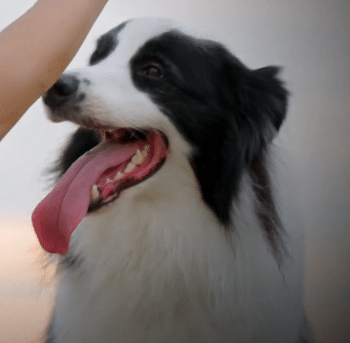
Dr. Arthur, one of the veterinarians involved in the field studies, noted that participating families were often emotional and deeply grateful for the possibility of gaining more time with their aging pets. The emotional toll of watching a dog slowly decline—paired with a general lack of effective treatments—has left many owners searching for options that don’t merely manage symptoms but help dogs thrive in their later years.
If additional testing proves successful and regulatory approvals remain on track, LOY 001 and LOY 002 may become available to veterinary practices as soon as 2025. This has created a sense of cautious optimism among both medical professionals and dog owners who have long hoped for a treatment that could not only extend life but also preserve the quality of those additional years.
For many families, an extra year or two with their beloved companion could mean more morning walks, more tail wags, and more time to cherish the bond formed over a lifetime.



Facebook Comments