



Woman Files Lawsuit to Claim Dog as Tax Dependent
A New York attorney has ignited legal debate by filing a federal lawsuit that could potentially change the way pets are treated under U.S. tax law. Amanda Reynolds, a practicing attorney licensed in New York and Utah, is asking a federal court to recognize her eight-year-old golden retriever, Finnegan Mary Reynolds, as a legal tax dependent.
Filed in the Eastern District of New York, the lawsuit challenges the longstanding IRS policy that classifies pets as property. Reynolds argues that Finnegan fulfills most of the requirements to be classified as a dependent under the Internal Revenue Code — except, of course, for being human.

Source: YouTube
According to Reynolds’ filing, Finnegan depends entirely on her for all aspects of daily life, including:
- Food and shelter
- Veterinary care and health maintenance
- Emotional support and companionship
- Transportation and training
She estimates Finnegan’s care costs exceed $5,000 annually. Despite these expenses, current federal tax law offers no deductions or credits for those who financially support pets.
In her complaint, Reynolds emphasized the emotional and familial bond she shares with Finnegan, comparing the dog-child relationship to that of a human parent and their child. She pointed to the broader context, citing data that over 94 million American households include pets, many of whom are treated not as possessions but as beloved family members.

Source: YouTube
Reynolds contends the law unfairly discriminates against non-human dependents. Humans who support children or family members are eligible for tax credits like the Child Tax Credit or Credit for Other Dependents. In contrast, pet owners receive no such tax relief, despite bearing comparable financial burdens.
The lawsuit also raises constitutional arguments, including:
- Equal Protection Violation: By only recognizing human dependents, Reynolds argues that the IRS is violating equal protection principles under the Constitution.
- Fifth Amendment Concerns: She claims that denying pet-related tax deductions constitutes an unfair taking of property—through increased tax liability—without due compensation.
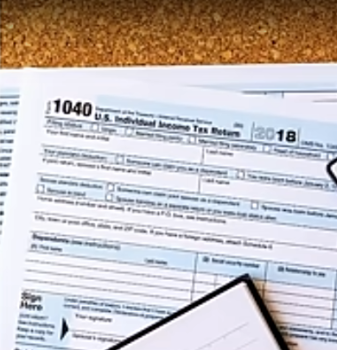
Source: YouTube
However, early responses from the judiciary suggest a steep legal uphill climb. U.S. Magistrate Judge James M. Wicks recently granted a stay on discovery, giving the IRS time to prepare a motion to dismiss. In doing so, he pointed out several procedural deficiencies in Reynolds’ complaint:
- Lack of standing: Reynolds didn’t attempt to actually claim her dog as a dependent on tax forms.
- No direct injury: The court noted she failed to show that any harm occurred as a result of the current tax rules.
- Tax litigation barriers: Federal law generally limits judicial review of tax assessments or potential future deductions.

Source: YouTube
As of now, the tax status of pets like Finnegan remains unchanged. Under current IRS standards, animals are still considered personal property and cannot be claimed as dependents.
The case raises broader questions about how modern families are evolving—and whether tax codes should adapt accordingly. While the courts may ultimately dismiss Reynolds’ legal claims, her lawsuit underscores a growing sentiment among pet owners: that the line between animals and family continues to blur.




Facebook Comments