


Misunderstandings About Cats Revealed by Experts: Top 17 Myths Debunked
Cats have long been the subjects of misconceptions and stereotypes, often being perceived as aloof or difficult to understand. In recent years, however, research has provided insights into their behaviors, debunking many myths and revealing that cats are, in fact, intelligent and emotionally complex creatures.

Purring Means More Than Happiness
While purring is often associated with feline happiness, cats may also purr in situations of fear or stress. Some experts suggest that purring might aid in self-soothing and potentially in physical healing, though this is still under study.
Exposed Belly Signifies Trust
When cats expose their bellies, they often signal trust rather than seeking a belly rub. Some enjoy such affection, but many prefer not to have their most vulnerable area touched.

Mental Stimulation is Essential
Cats require daily mental exercise to stay content. Toys, scratching posts, and puzzle feeders can help satisfy a cat’s natural instincts and prevent boredom.
Feline Companionship
Contrary to the belief that cats are solitary animals, many enjoy the company of their human families and other cats. While some cats prefer solitude, others thrive in pairs or groups.
Learning New Tricks is Possible
Cats are trainable and can learn various commands and tricks through positive reinforcement. This can strengthen bonds and build confidence in cats.
Indoor Life Can Be Fulfilling
Indoor cats can lead healthy lives with the right environment. Providing spots to climb, scratch, and observe the world outside keeps them engaged and happy.
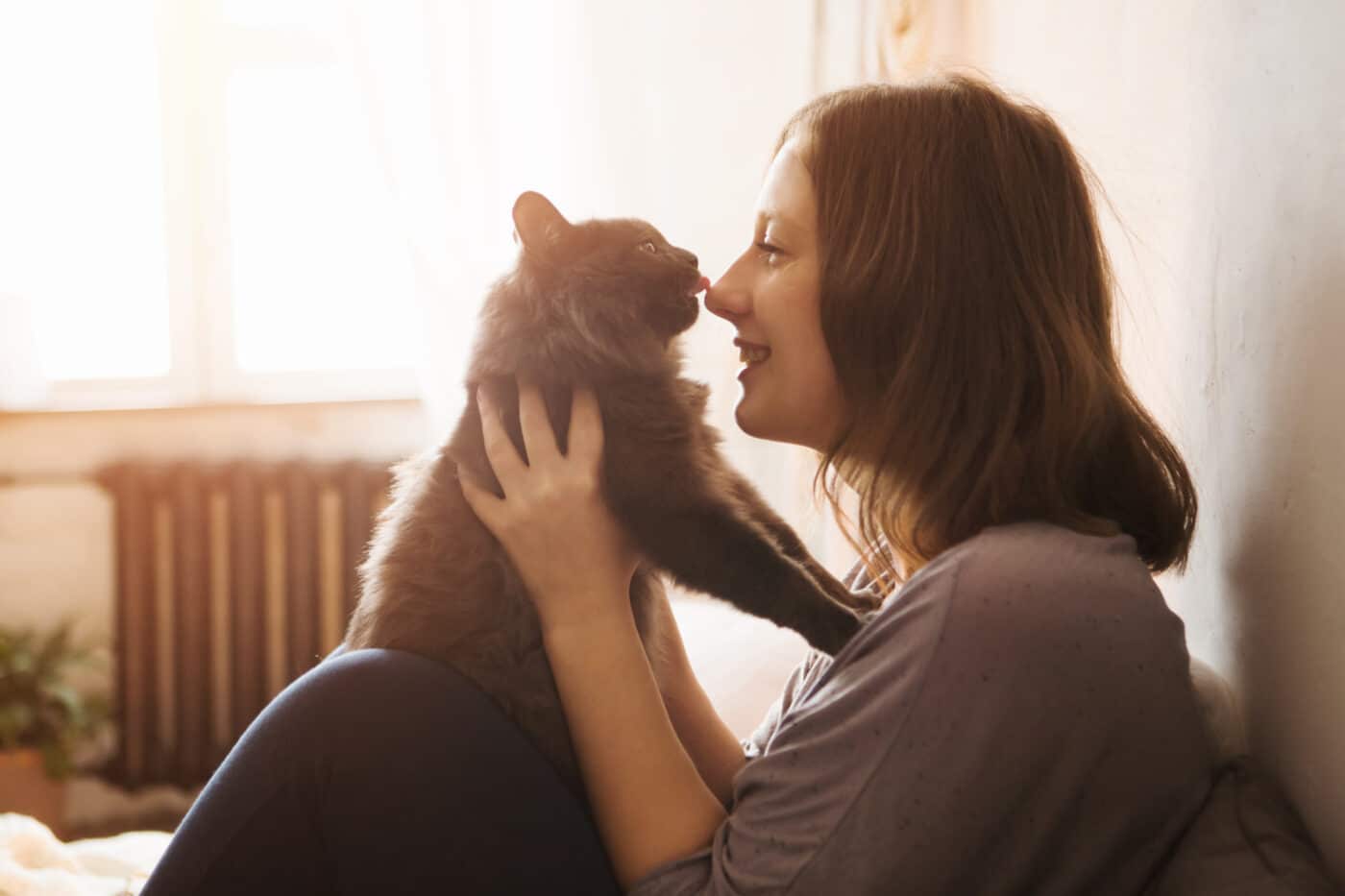
Dispelling the Myth of Cat Antipathy
A cat avoiding contact isn’t necessarily unfriendly. This behavior might stem from feeling overwhelmed or needing personal space, and understanding this aids in building trust.
Names Are Recognized
Research indicates that cats can recognize their names, showing that they are more aware than some perceive. Their selective responses often contribute to an incorrect perception of indifference.
Demand for Attention
Even cats that seem independent require human interaction for their emotional and physical wellbeing. Regular play, grooming, and attention are crucial for a happy cat.
Emotional Bonds with Humans
Cats form strong bonds with their owners, showing affection in subtle ways like following people around or seeking proximity.

Group Living Possible
In nature, some cats form colonies, displaying social behaviors. Domestic cats, as such, also vary in their social preferences.
Scratching is Natural
Cats scratch to maintain claw health and to mark territory. Providing scratching posts can serve as an alternative to furniture.

Crepuscular Creatures
Cats are most active at dawn and dusk, rather than being strictly nocturnal. They often adapt to human routines and become active when their humans are around.
Actions Not Driven by Malice
Behavioral issues like scratching or biting aren’t acts of revenge. They often have underlying causes such as stress, medical conditions, or unmet needs.
Tail Movements Explained
A wagging tail might indicate irritation or overstimulation, not friendliness. Observing body language as a whole is crucial to understanding a cat’s emotions.
Falling Myths Debunked
Though cats possess a righting reflex, they aren’t immune to injuries from falls. Safety precautions in homes are essential to prevent accidents.
Friendship with Dogs Possible
Cats and dogs can get along well. With careful introductions, they can become companions, debunking the myth of inherent rivalry.
The more we understand our feline friends, the stronger our relationships with them can grow. Research continues to shed light on these fascinating creatures, inviting us to appreciate their unique qualities and deepen our bonds with them.




Facebook Comments