



Some cats enter a new home as quietly as a whisper, while others, like Leo, make sure their presence is known with a chorus of meows. Leo’s chatty nature once led to his rehoming, as his previous family found it overwhelming. However, with Rosh, his new human, Leo found a place where his voice was welcomed, turning his meowing into a beautiful duet they both enjoy. Instead of silencing Leo, Rosh chose to listen and embrace his vocal character, creating something special and unique.

Credit: Instagram
Thanks to Rosh’s willingness to join Leo in his vocalizations, a sweet video of their duets attracted over a million likes online. Leo’s consistent meowing, once seen as disruptive, became an integral part of their bond. This has even engaged the curiosity of those interested in how cats interact with music. Research suggests that cats react to music tailored for their species, which often incorporates feline vocal frequencies. However, it appears Leo prefers the simple joy of singing with his beloved human.
Leo’s Journey to Acceptance
Before Rosh, Leo’s talkativeness resulted in him losing his home. However, after moving in with Rosh, his personality and vocal personality were welcomed and celebrated. Initially, Leo’s midnight melodies puzzled Rosh. She questioned whether his vocal consistency was a sign of distress.
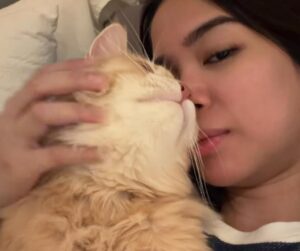
“I wondered if he was okay, but it turned out he just really enjoyed meowing,” Rosh shared, reflecting on their initial days. Understanding that talking was simply Leo’s nature allowed Rosh to harmonize her schedule with his late-night serenades. Eventually, she found herself waking at dawn to join Leo in his melodic escapades.
Singing alongside, Rosh found that Leo would respond with timed meows, creating adorable duets. Rather than viewing his voice as an inconvenience, Rosh connected with Leo through song, embracing his talkative nature and strengthening their bond. Leo’s experience demonstrates that the right home can make all the difference, even when others haven’t appreciated a cat’s uniqueness.
Understanding the Talkative Cat
Leo’s vocal habits, while noticeable, are not entirely atypical. Cats often use vocalizations to communicate with humans, seeking attention or companionship. While some felines are naturally inclined to converse, others are content with soft purrs.
Typically, cats are crepuscular, meaning they are most active at dawn and dusk. This behavior explains why some cats, like Leo, are particularly active during hours that might disrupt human rest. Breed and genetics can also influence vocal tendencies—Siamese, Bengals, and Sphynx cats are infamous for their expressiveness, while other breeds tend to be quieter.
While breed might contribute to a cat’s propensity to meow, individual temperament, environment, and human interaction are also influential. A sudden change in vocal behavior can indicate dissatisfaction or health issues, warranting a veterinary consultation. However, for talkative cats like Leo, their voice may simply be a part of personal expression.
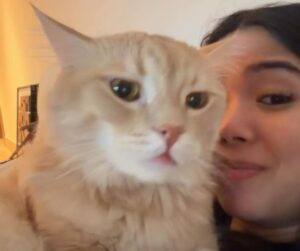
Credit: Instagram
A cat’s chatter, while overwhelming for some, may become another’s cherished sound. Leo’s story illustrates this beautifully—what once challenged his chances of finding a home ultimately created a remarkable connection. With Rosh, Leo found an audience, a duet partner, and, above all, a place where his voice is celebrated.




Facebook Comments