
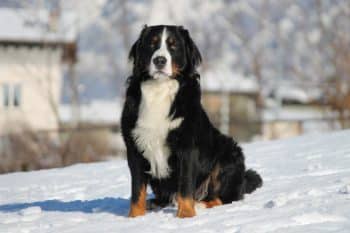

Best Cold Weather Tips for Safe Dog Walking in Winter
Winter walks can be a highlight of your dog’s day, but freezing temperatures can transform a familiar outing into an uncomfortable experience. While some dogs happily trot through snowy paths, others may start to shiver or lift their paws after just a brief time outdoors. Knowing when the chill becomes too much can help you protect your furry friend from serious winter health risks.
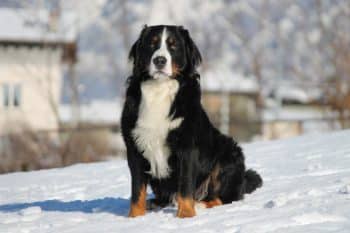
The complexity lies in the fact that there isn’t one temperature that suits every dog. Veterinarians suggest that a dog’s breed, size, age, coat, and overall health all influence how well they tolerate lower temperatures. Even factors like wind and moisture can determine whether a walk is safe or not.
Determining the Cold Limit for Your Dog
Dr. Jo Myers recommends against relying on a specific temperature to determine outdoor safety. A thick-coated dog familiar with winter weather might endure conditions that a small, short-haired dog would find unbearable. Age and health are also determining factors; puppies, senior dogs, and those with certain medical conditions may find it harder to regulate their body temperature.
Dr. Myers adds that a dry day at 25°F might be more bearable than a wet, windy day at 35°F. Wind increases heat loss, and damp fur loses insulating properties, underscoring the importance of considering multiple factors beyond just temperature.
Temperatures below 20°F require special attention due to the increased risk of frostbite, though it can still occur at higher temperatures if there are strong winds or wet conditions.
Recognizing When Your Dog Needs to Go Inside
Dogs often communicate discomfort through subtle behavioral changes. Recognizing these signals early can prevent a regular walk from becoming hazardous. Look for:
- Shivering
- Slowing down or frequent stops
- A hunched posture or tucked tail
- Whining or searching for shelter
- Lifting paws off the ground, which might indicate cold feet or irritated paw pads
Returning indoors and helping your pup warm up is the safer choice if she starts behaving differently during a winter walk.
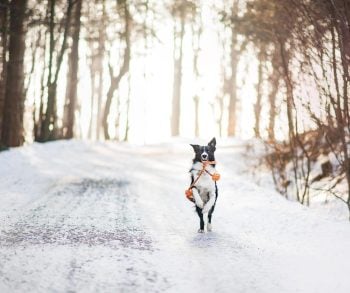
Preventing and Responding to Cold-Related Emergencies
Prolonged exposure to freezing conditions can lead to frostbite or hypothermia, both of which need prompt attention. Frostbite usually affects areas like the ears, paws, and tail. Look out for pale, gray, or bluish skin and swelling. If you suspect frostbite, gently warm the area with lukewarm water, avoiding direct heat.
Hypothermia symptoms include intense shivering, lethargy, and muscle stiffness. Immediate veterinary care is essential for these signs. Bring your dog indoors and keep her warm with blankets while seeking emergency assistance.
Making Winter Walks Safer
Winter won’t necessarily have to keep you indoors. Implement a few adjustments to keep your walks safe:
- Opt for shorter, more frequent outings, as staying active generates body heat.
- Consider protective clothing such as coats or sweaters, particularly for small breeds, short-haired dogs, and seniors.
- Dog boots can protect paws from ice and deicing products.
After each walk, check between your dog’s toes for trapped ice and clean their paws to remove potentially harmful substances. Keep a winter emergency kit at home with extra food, water, and blankets in case of power outages.

Ultimately, a safe winter walking routine is one that adapts to your dog’s individual needs. Monitoring their behavior and adjusting activities accordingly will help ensure they remain comfortable and happy during the colder months.


Facebook Comments