

Blue Dogs Spotted in Chernobyl Spark Mutation Concerns
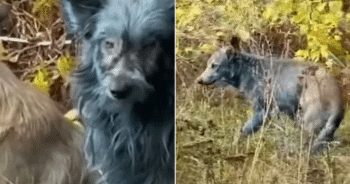
In an unexpected twist to the long-lasting legacy of the Chernobyl disaster, several stray dogs have been photographed in the Chernobyl Exclusion Zone with fur tinted a vibrant blue. These sightings have ignited a swirl of speculation about potential mutations, raising curiosity and concern across scientific and animal welfare communities.
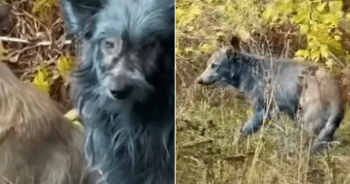
The startling images were shared by Dogs of Chernobyl, a project under the Clean Futures Fund (CFF), a nonprofit organization that provides care for the hundreds of stray dogs living in and around the region affected by the 1986 nuclear meltdown. The team encountered three stray dogs with fur that appeared unnaturally blue during a recent sterilization mission inside the Exclusion Zone.
“We are on the ground catching dogs for sterilization and we came across three dogs that were completely blue,” the organization posted on social media. “We are not sure exactly what is going on.”

Despite the unnerving sight, rescuers report that the dogs appeared energetic and otherwise healthy, showing no signs of sickness, burns, or trauma that would suggest acute radiation poisoning. As a result, radiation is being ruled out as the likely cause of their distinctive blue coloring—at least for now.
Instead, experts suspect an environmental or chemical explanation. Given the Exclusion Zone’s history of industrial use and contamination, the blue hue may stem from exposure to industrial chemicals or dyes still present in the surrounding area.
Some proposed causes include:
- Leaked blue industrial dye or pigment residue from abandoned structures or dumped waste
- Contact with dyed materials such as disinfectants, old equipment, or even chemical residues found in discarded porta potty materials
The Clean Futures Fund has emphasized that the fur color appears to be temporary and superficial. Once captured for sterilization, the dogs will be examined and their fur tested to determine the substance responsible for the coloration.

This incident sheds light once again on the challenges faced by the hundreds of dogs inhabiting the region. In 1986, following the explosion of Reactor No. 4 at the Chernobyl Nuclear Power Plant, over 120,000 people evacuated their homes, abandoning pets in the process. With no one returning, the once-domestic animals adapted to their new wild environment.
Decades later, their descendants remain inside and on the borders of the Exclusion Zone, forming feral packs and surviving against the odds. They endure extreme conditions, including
- Food scarcity
- Exposure to lingering radiation
- Threats from rabid wild animals such as wolves

The Clean Futures Fund’s Dogs of Chernobyl initiative aims to humanely manage the stray population through health programs including vaccinations and spaying and neutering operations. These efforts are vital not only for animal welfare but also for preventing disease and maintaining safety for researchers and visitors in the area.
The blue-furred dogs—while visually shocking—may represent little more than a strange side effect of life in one of the world’s most contaminated regions. Their sudden appearance is now emblematic of the resilience of life even in the most hostile environments.

As investigations into the chemical cause of the coloring continue, the blue dogs remain a vivid symbol of the ongoing environmental and humanitarian stories left in the wake of Chernobyl’s dark past.




Facebook Comments