
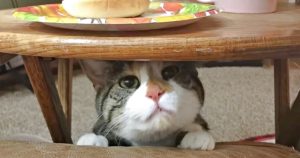

Five years ago, a chance encounter changed two lives forever. While working at a veterinary clinic, a kind-hearted woman named Taylor met Penny—a sweet but disabled kitten who immediately captured her heart. Penny suffers from a neurological condition called Cerebellar Hypoplasia, a non-progressive disorder that affects motor skills and coordination. Initially, Taylor planned to foster Penny, but it quickly became clear that the pair were meant to be together for the long haul.
“Her resilience blew me away,” Taylor shared, reflecting on their early days together. Penny may stumble when she runs or sway when she walks, but her fighting spirit and affectionate personality make her truly unforgettable.
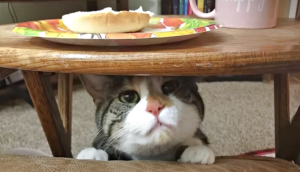
Living with Cerebellar Hypoplasia hasn’t stopped Penny from thriving. She enjoys playtime, bird watching from the balcony, and short sunbathing sessions. Though she occasionally loses her balance and falls over, she never lets frustration stop her. Taylor lovingly describes her as a trooper—always getting back up and forging ahead with determination.
- Playful and energetic, Penny enjoys darting across the room, even if her journey includes a few graceful tumbles.
- Emotionally sensitive and affectionate, she relishes moments of connection—especially with Taylor.
- Lover of nature, her favorite pastime is quietly watching birds flutter by from the balcony.
But perhaps the most heartwarming part of Penny’s daily routine is the adorable request she makes to Taylor—every single day. At some point in the day, Penny walks over to the couch, lifts her tiny paw, and gently taps Taylor to get her attention. This simple gesture carries a profound message: “It’s snuggle time.”
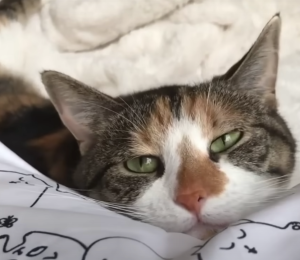
This is not a one-time occurrence. According to Taylor, Penny does this ritual every single day. It’s her charming way of initiating a bonding moment—a quiet reminder of the unspoken connection they share.
“She looks at me with those eyes and taps me ever so gently—it melts my heart. Every day, she reminds me how much love animals are capable of,” Taylor says.
Cuddles last for hours if Taylor allows it. Penny will curl up on her chest, kneading gently, purring, and basking in the attention. It’s in these peaceful, loving exchanges that Taylor sees not a disabled cat—but a joyful, spirited companion who lives life on her own terms.
Penny’s story touches hearts because it challenges assumptions about animals with disabilities. Cerebellar Hypoplasia does not cause pain or worsen over time. With a supportive environment, affected cats like Penny can live happy, active lives.
What makes Penny stand out is not just her condition, but her personality. Taylor describes her as:
- A natural charmer who seems to smile with her entire face
- Emotionally intuitive, always knowing when Taylor needs comfort, too
- Daring and playful, always ready to explore corners, even if it means wobbling through them
In Taylor’s home, Penny’s condition is not seen as a limitation but a quirk that makes her all the more lovable. Their journey together is a shining example of how compassion, patience, and unconditional love can transform lives—on both ends of the leash.
Penny may have challenges, but she leads a life filled with love, snuggles, and daily reminders that every animal deserves a chance—and someone to tap for cuddles.


Facebook Comments