


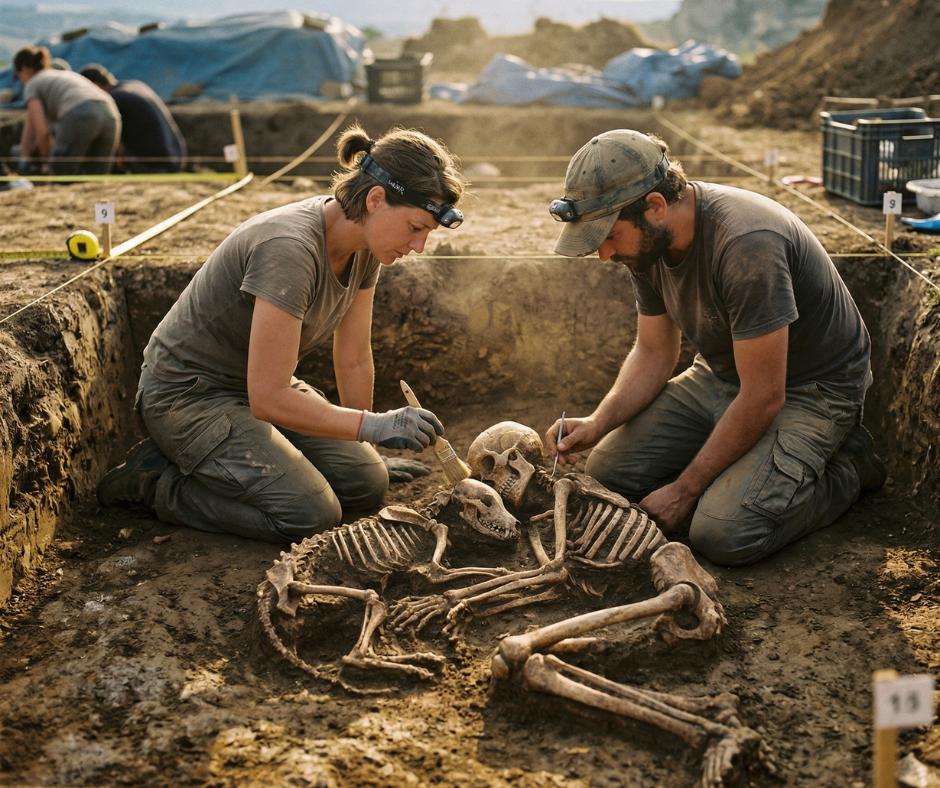
In a captivating journey into the depths of time, recent scientific discoveries have uncovered the remains of what could be the earliest known domesticated dog, dating back approximately 15,800 years. This remarkable find was unearthed at the Pinarbasi rock shelter in Turkey, a site once inhabited by ancient hunter-gatherers. This discovery significantly pushes back the timeline of human-dog companionship, adding a rich layer to our understanding of domestication.
One of the most fascinating aspects of this finding is not just its age but its implications for understanding early human life. The presence of this dog, living around 5,000 years earlier than what was previously confirmed, suggests that dogs had already formed bonds with humans long before the advent of agriculture.
A Bond Formed in the Ice Age
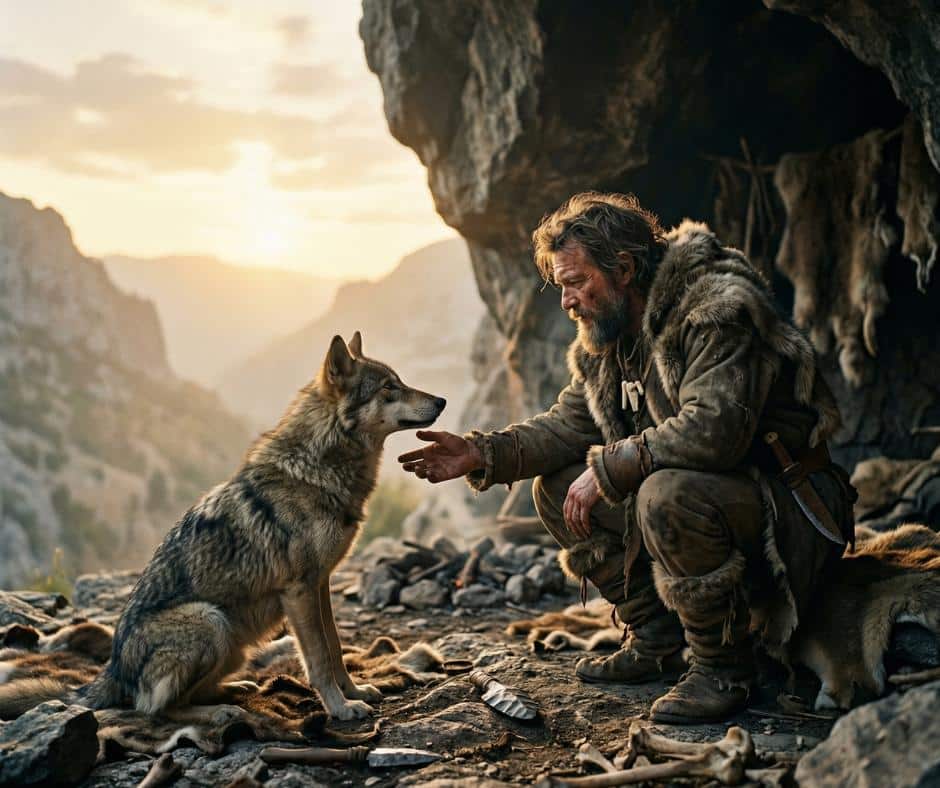
Advanced genetic analysis has revealed that dogs were already widespread across western Eurasia by at least 18,000 years ago. Notably, these early dogs were genetically different from their wild ancestors, the wolves. It is posited that this genetic distinction likely occurred even earlier, possibly before the peak of the last Ice Age over 24,000 years ago.
Rather than serving a single purpose like later domesticated animals such as sheep or cattle, these early dogs had a more profound significance. They were not merely tools or helpers; they were valued companions.
Life Beside Humans
At the Pinarbasi site, the depth of the human-dog connection is evident. Archaeologists discovered that dogs were buried alongside humans, a poignant indication of their emotional importance to ancient communities.
Furthermore, there is archaeological evidence suggesting that these early humans cared deeply for their canine companions in everyday life. Remains found at the site indicate that these dogs were fed fish, suggesting an active sharing of resources between species.
Across Europe, similar findings support this emerging picture. Out of more than 200 ancient remains analyzed, dozens were identified as early dogs. Among the oldest was a discovery in Switzerland, dating back 14,200 years. Despite their geographic spread, these dogs likely originated from a common domestication event rather than multiple, independent occurrences.
Resembling Their Wild Ancestors
Despite domestication, these early dogs likely retained much of their wolf-like appearance. Their bodies had yet to evolve into the diverse shapes and sizes that are so familiar today. Yet, an essential shift had already taken place.
Though they may have assisted in hunting or acted as early alert systems in dangerous surroundings, their role extended beyond mere utility. Even in the harsh Ice Age conditions, humans consciously chose to live alongside them, indicating a foundation built on trust, cooperation, and possibly even affection.
A Story Still Unfolding
While these findings have unraveled parts of the ancient human-dog relationship, they also leave us with many questions. The precise origins and motives behind the domestication of dogs remain subjects of ongoing research, with Asia proposed as the most likely point of origin for this significant event.
What remains undeniable is the enduring and profound bond that has existed between humans and dogs for thousands of years. From shared meals to shared resting places, these early connections laid the groundwork for the lasting companionship that continues to flourish today.

Through generations, the silent companionship of these loyal creatures has persisted, beginning in an era of survival and uncertainty and evolving into one of the most enduring partnerships in human history.



Facebook Comments