
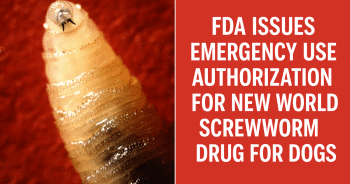

For the first time in history, the U.S. Food and Drug Administration (FDA) has granted an Emergency Use Authorization (EUA) for a veterinary drug aimed at fighting a deadly parasitic threat to dogs: the New World screwworm.
The FDA’s unprecedented decision enables the use of Credelio (lotilaner) chewable tablets to treat dogs actively infected with this aggressive parasite. Previously approved for combating fleas and ticks, Credelio now holds emergency status for addressing the risk of screwworm infestations, which can cause severe tissue damage and, in extreme cases, death.
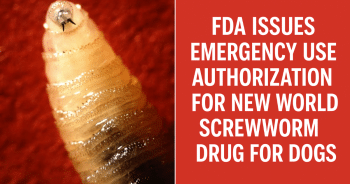
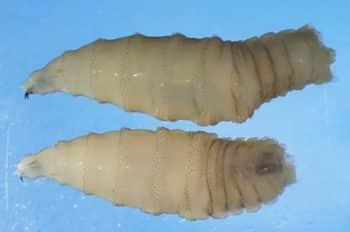
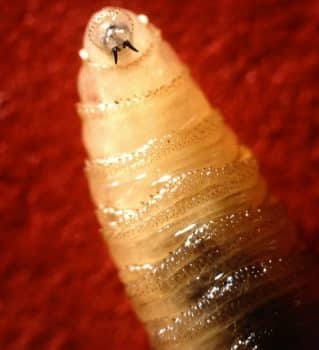
The New World screwworm—a flesh-eating parasite—targets warm-blooded animals by laying eggs in open wounds. Once hatched, larvae can burrow into flesh, feeding on live tissue and leaving devastating wounds behind. Though eradicated from North and Central America decades ago, the parasite has made a troubling return since 2022, prompting scientific and public health alarm.
Dr. Marty Makary, FDA Commissioner, explained the urgent rationale for this EUA, noting the rapid rise of confirmed cases near U.S. borders. According to Dr. Timothy Schell, Director of the FDA’s Center for Veterinary Medicine, other animal species may soon be considered for similar emergency protections, as the agency evaluates additional emergency-use requests.
While most domestic dogs in the U.S. remain at low risk, heightened exposure is possible for pets living near or traveling across the U.S.-Mexico border. These regions are now considered higher risk because they serve as probable reinfection corridors—areas where the screwworm may reestablish itself after being dormant in the continental United States for decades.
In August 2025, the Secretary of Health and Human Services declared the New World screwworm a potential public health emergency. This formal declaration allowed the FDA to invoke special emergency powers typically reserved for fast-acting pandemic diseases and emerging zoonotic threats.
Lotilaner, the active ingredient in Credelio, belongs to the isoxazoline class of antiparasitic agents. These drugs have been widely used in the fight against ectoparasites like fleas, ticks, and mites. While generally well-tolerated, the FDA emphasizes that the prescription-only drug may cause neurological side effects in rare cases, including tremors or seizures. For this reason, veterinarians must prescribe and monitor the treatment on an individualized basis.
The drug is currently manufactured by Elanco US Inc., and under the EUA, it can only be used while the emergency declaration is in effect. Future revocation depends entirely on the scope of the outbreak, emerging scientific insights, and changes in parasitic transmission trends.
Experts now consider screwworm an ongoing threat not only to pets but also to the broader ecosystem, including livestock and wildlife. In the past, outbreaks resulted in devastating economic losses to agricultural communities across North America. The reappearance of the parasite highlights the importance of robust biosecurity measures, vigilant pet care, and inter-agency coordination.
Key Points:
- Credelio (lotilaner) becomes the first veterinary drug approved under Emergency Use Authorization by the FDA.
- Designed to treat parasitic infestations caused by the New World screwworm in dogs.
- Affected regions include border areas between the U.S. and Mexico, where the parasite has re-emerged.
- The FDA warns of rare side effects and requires veterinary supervision for use.
- Authorities continue to monitor the spread in domestic and wild animal populations.
This landmark approval underscores the rising intersection between animal health, agriculture, and public health security. As warmer climates and global movement influence the migration of pests, the nation’s veterinary and health officials remain on high alert to prevent outbreaks that threaten companion animals and the agricultural economy alike.
Watch the full story below:




Facebook Comments