
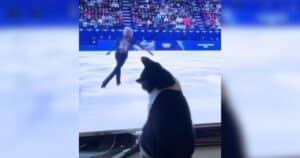

Cats possess a dual nature that is both entertaining and fascinating. From their tranquil demeanor as they bask in the warmth of a sunny windowsill to the way they transform into agile hunters, every aspect of their being is finely tuned for the art of predation. Long before they adorned human homes with their presence, cats lived lives dictated by the need to hunt and survive. It’s truly remarkable that such natural-born hunters now find joy and purpose in unexpected places, such as living rooms and on glowing screens displaying Olympic Games.
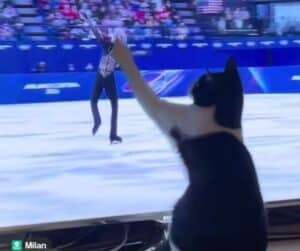
In the wild, their instincts would lead them to stalk prey, ears alert to the slightest rustle of grass, eyes adaptive to low light, and paws which strike the ground with little noise. Although their hunting grounds have changed, their instinctive responses remain very much the same. Now, instead of hunting in dense forests and fields, pet cats have found virtual prey in the form of fast-paced, high-energy Olympic events on television.
How Cats Interact with the Television:

These behaviors are a testament to the enduring nature of a cat’s predatory instinct, capturing endless delight among feline owners worldwide. Videos and stories circulate widely, showing cats swatting at figure skaters, leaping at curling stones, or chasing hockey players gliding over ice. The notion of cats truly believing they can catch these high-speed athletes often results in humorous commentary, with viewers entertained by the cats’ attempts to “capture” the unattainable.
Why Do These Interactions Capture Our Hearts?
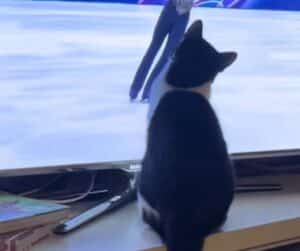
In conclusion, the sight of our feline friends engaging with Olympic Games on television underscores the peaceful coexistence of their wild instincts within the confines of our homes. It serves as an affectionate reminder of their dual nature: the fierce predator and the gentle, beloved pet. Though the prey may forever elude them on screen, their determination never falters, reminding us of the endless wonder and amusement they bring to our lives.




Facebook Comments