

Head Pressing in Cats Explained and When to See a Vet
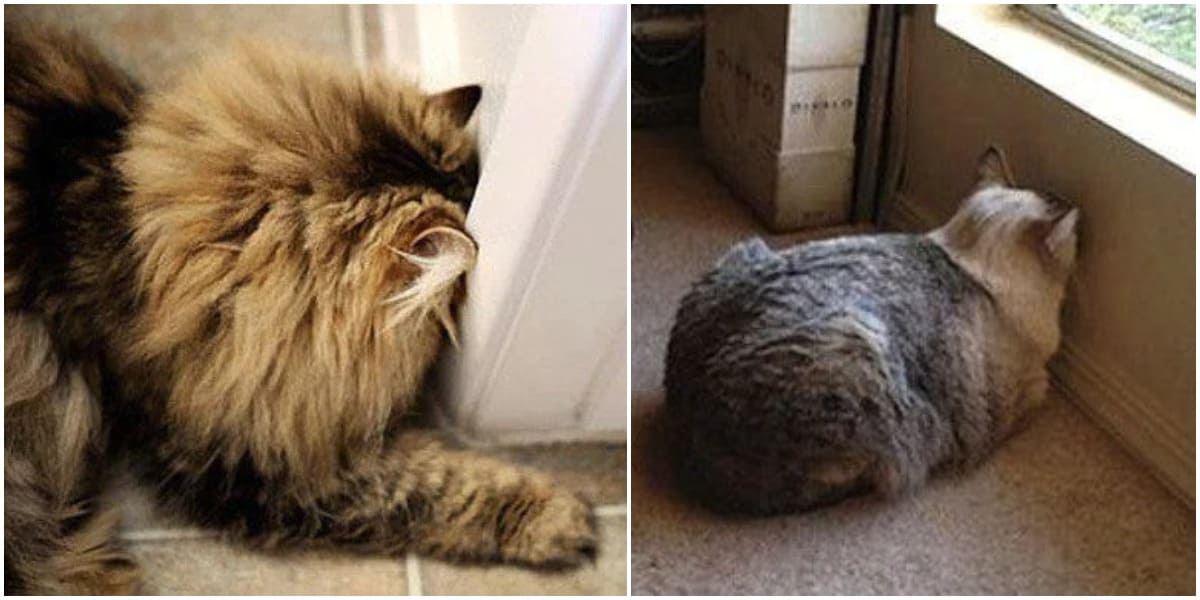
Scrolling through social media, you may have encountered humorous memes featuring cats pressing their heads against walls or furniture. While these images may seem funny, the behavior they depict can actually be a sign of severe medical conditions. It’s essential for all cat owners to understand what head pressing in cats signifies and when to seek veterinary care.
What Exactly is Head Pressing?
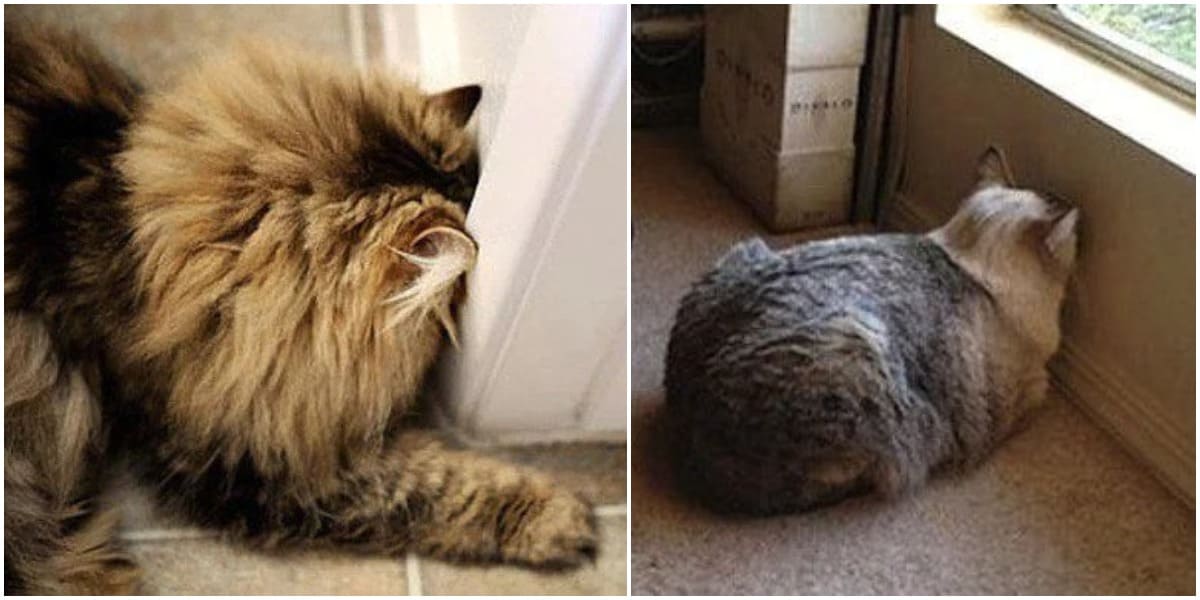
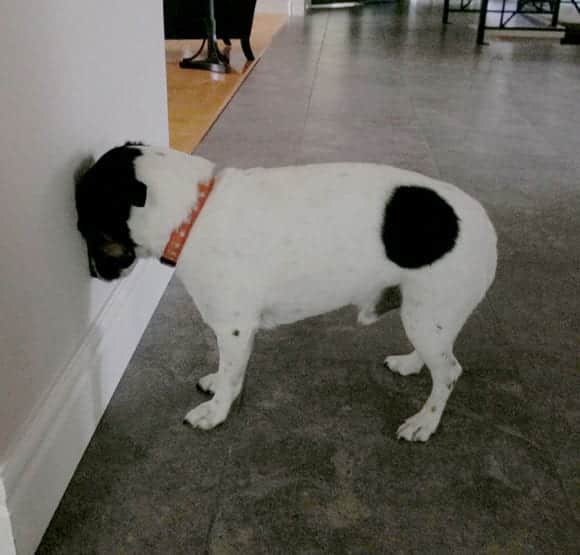
Head pressing is a behavior exhibited by cats when they push their heads against an inanimate object, such as a wall, chair, or corner. This action occurs while the cat is fully awake and alert, distinguishing it from a scenario where a cat simply rests its head against a surface. Observing this behavior in your cat should raise concerns, and it is crucial to contact a veterinarian immediately.
Common Characteristics of Head Pressing:
- Cat is fully awake and conscious.
- Head may slide against the surface until it finds a corner to lock into.
- Behavior is often repetitive and compulsive.
What Causes Head Pressing?
This alarming behavior often indicates underlying neurological damage. Head pressing can arise from various life-threatening conditions, including:
- Brain tumors
- Encephalitis (brain inflammation)
- Stroke
- Toxic poisoning
- Liver shunt
- Metabolic problems
Other neurological signs may accompany head pressing, such as:
- Seizures
- Head tilt
- Abnormal vocalizations
- Walking unsteadily
- Pacing compulsively or walking in circles
- Poor reflexes
What Should I Do if My Cat Starts Head Pressing?
If you notice your cat exhibiting head pressing, you should view this as an emergency and consult your veterinarian without delay. Here are some actions to take while preparing for your vet visit:
- Check Capillary Refill Time: Ensure your cat’s gums are pink and check if color returns within 2 seconds after pressing down above the canine.
- Check Pulse and Respiratory Rate: Feel your cat’s heartbeat; a normal heart rate should range between 140 and 220 beats per minute.
- Measure Rectal Temperature: A cat’s normal temperature should be under 102.5°F.
When visiting the vet, be prepared to provide a detailed history, including your cat’s diet and whether it is an indoor or outdoor cat. The veterinarian may also perform a blood test to assess liver and kidney function, as well as a neurological exam.
Conclusion
Head pressing is a concerning behavior that should never be ignored. If you see your cat engaging in this unusual action, contact your veterinarian immediately for assessment.
By understanding the implications of head pressing, you can better ensure the health and well-being of your feline companion.




Facebook Comments