
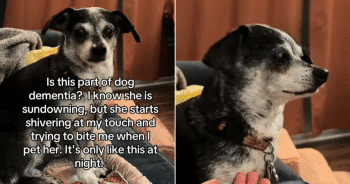

Senior Dog’s Dementia Symptoms at Night Stir Emotional Reactions
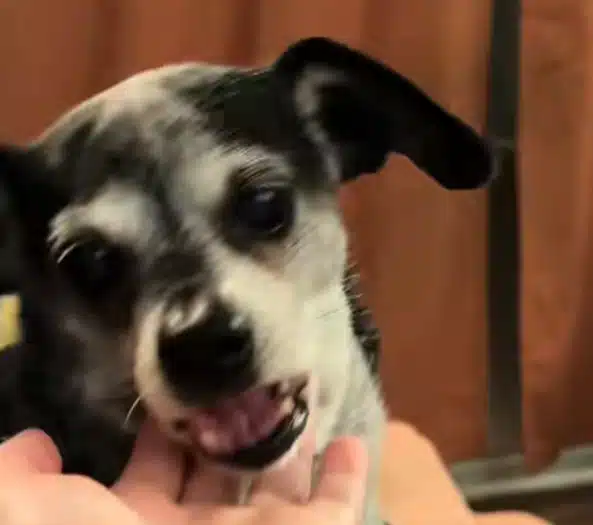
Lulu, a gentle soul with a white-muzzled face and soulful eyes, has been a beloved member of Desiree Broomer’s family for nearly seven years. Originally at risk of being surrendered to a shelter when her previous owner moved out of state, Lulu’s story took a hopeful turn when the Broomers welcomed her into their home. Rescued from uncertainty, Lulu grew into a loyal, affectionate companion, bringing warmth and joy to everyone around her.
Now approaching 14 years of age, Lulu is navigating the challenges of old age, including a heartbreaking condition known as canine cognitive dysfunction (CCD), often referred to as dog dementia. What began as subtle changes—restlessness at night, aimless pacing, and occasional disorientation—gradually developed into more intense symptoms that disrupted the lives of both Lulu and her devoted family.
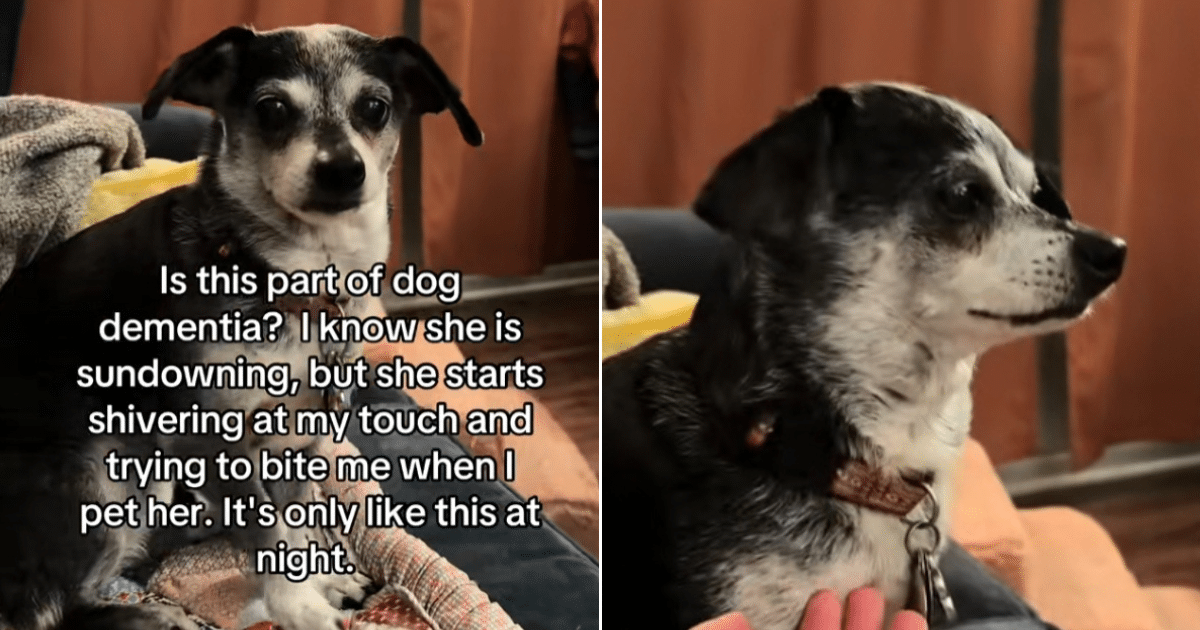
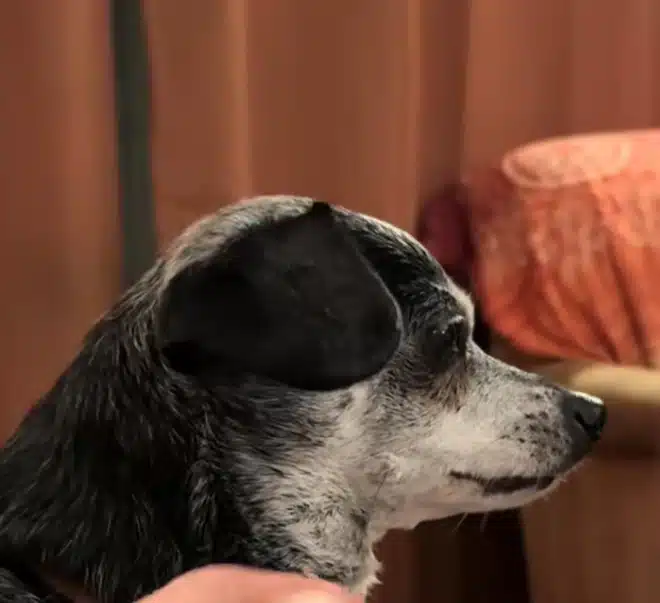
Desiree recently shared a poignant moment on TikTok that captured Lulu during one of her late-night episodes. In the video, Lulu sits on the couch, trembling and flinching as Desiree gently reaches to comfort her. At one point, Lulu jerks backward, seemingly startled by the hand she usually trusts. The gut-wrenching footage reveals the invisible struggle happening inside Lulu’s aging mind. Though she does not snap, her fear is palpable—an echo of the cognitive confusion she faces daily.
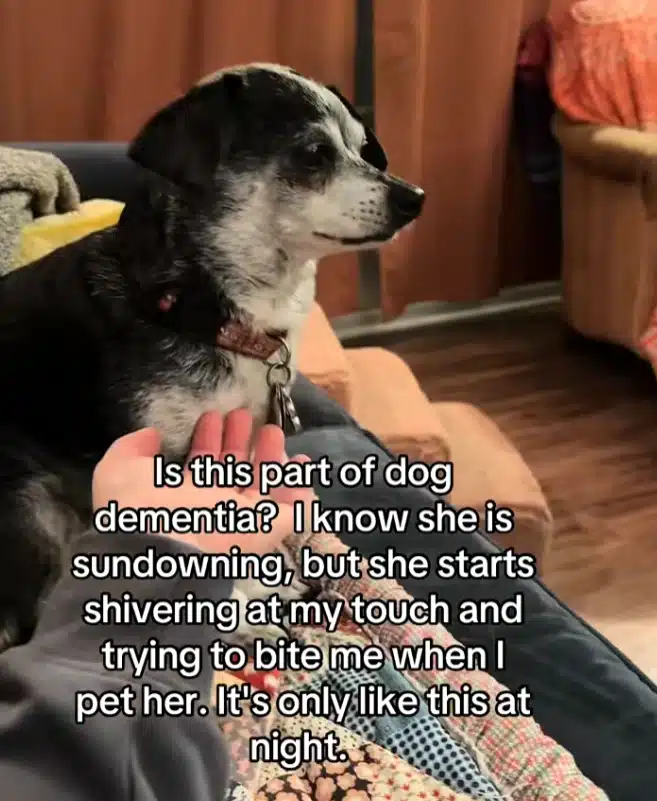
Broomer has observed a pattern in Lulu’s behavior that closely mirrors sundowning, a condition in which confusion and anxiety intensify as evening approaches. This syndrome, familiar to those dealing with human dementia, is sadly also seen in older dogs. The family’s nighttime peace is often interrupted by Lulu’s episodes of disorientation and shaking, events that leave everyone emotionally drained.
To help her cope, Broomer has implemented several strategies:
- Maintaining a calm, consistent environment to avoid overstimulation.
- Using calming supplements recommended for senior canines.
- Creating a nightly routine to reduce confusion and provide structure.
These measures aim to bring moments of peace into Lulu’s anxious nights. While they do not eliminate the symptoms, they help minimize distress and offer Lulu the comfort she needs.
Veterinarians note that canine cognitive dysfunction manifests in a variety of ways. Common symptoms include:
- Nighttime waking and pacing
- Seeming lost in a familiar environment
- Increased anxiety or irritability
- Changes in social interactions, such as clinginess or withdrawal
- Loss of housetraining
Though incurable, early intervention and dedicated care can slow the progression and improve a dog’s quality of life. With the care of a loving family, even dogs like Lulu—caught in the fog of dementia—can still feel safe and cherished.
Support for Lulu’s story has poured in from all corners of the internet. Desiree’s post touched thousands who understand the delicate path of caring for an aging dog. Commenters offered not only sympathy but also shared their own experiences, creating a powerful sense of solidarity. Many suggested veterinary checkups to rule out possible underlying conditions like pain or sensory decline that could mimic or worsen CCD symptoms.
Despite the heartbreak, Broomer remains Lulu’s steadfast companion. Her commitment is a reflection of profound love—love that recognizes that even in the face of confusion and fear, a senior dog deserves to be held, seen, and cherished. Lulu’s story is not just a testament to the trials of aging but to the power of compassion and loyal companionship.
Watch the emotional video that captured Lulu’s episode:
@scarlettandlou
The nights are hard for this old lady.
♬ sonido original – André Explora



Facebook Comments