


Your canine companion might enjoy a plush bed, a plethora of toys, and delectable treats, but true affection transcends the fulfillment of their basic needs. The little things you do daily can significantly affect how secure, comfortable, and understood your furry friend feels.
Animal behaviorist Dr. Cari Cannon underscores the significance of respect in relationships with dogs, akin to human interactions. From allowing your pup some leisurely sniffing opportunities during walks to acknowledging when they need personal space, these simple habits can enhance the trust and bond you share with your loyal companion.
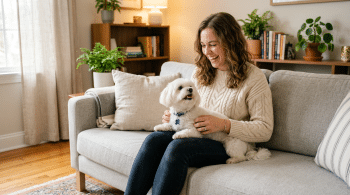
1. Empower Your Dog with Choices
Imagine a life where someone dictates your daily activities and reactions, from your destinations to your leisure time. Although your dog relies on you for guidance and safeguarding, offering them safe choices can bolster their confidence and emotional health. Allow your dog to decide which toy to play with, where to explore safely during a stroll, or even the spot for a comfortable nap. Dog trainer Irith Bloom highlights that giving animals a degree of control can assist them in tackling stressful scenarios. Providing choices doesn’t mean losing the management of rules or routines, but rather enabling your dog a taste of independence within secure boundaries.
2. Encourage Sniffing Expeditions
While a walk might be an exercise or a task for you, every inch of a tree, grass patch, or lamppost offers your dog an entire world to explore. Sniffing is an enriching activity that provides mental stimulation and environmental information. Instead of hurrying past each exploration opportunity, let them savor their strolls at their own pace. That seemingly mundane spot might just be the highlight of their outing.

3. Be Attuned to Their Comfort with Touch
Though wrapping your adorable pet in a loving hug can be tempting, not every dog appreciates unsolicited affection. Some dogs prefer gentle pats, while others may be content merely sharing your presence. Observe their reactions to touch. If your dog pulls away or turns their head, respect their need for space rather than insisting on more affection. The same sensitivity applies during grooming activities. Incorporating cooperative behaviors can make necessary tasks like nail trimming more predictable and less stressful.
4. Maintain Consistency and Clarity
Consistency is critical in communication since dogs don’t comprehend every word. Using the same cues, sticking to predictable routines, and rewarding the desired behaviors can aid your dog in understanding expectations. Positive reinforcement—through treats, praise, or playful activities—facilitates learning without intimidation, turning training into an opportunity for enjoyable interaction. Be patient and give your dog another chance to succeed when they face difficulties.

5. Respect Their Personal Boundaries
Even the most affectionate dogs occasionally require solitude. Your pet may sometimes choose to avoid meeting new people, playing with other dogs, or receiving attention during rest. Learning to interpret subtle signals like turning away or trying to exit a situation ensures you prevent discomfort and allows them freedom from unwanted interactions.
Communicating Love in an Understandable Language
Your dog doesn’t require extravagant gestures to feel valued. Often, it’s the small, courteous actions—like listening to their needs and respecting their boundaries—that speak volumes. By genuinely understanding your dog’s world view, you’re offering more than just material comforts; you’re providing a trustworthy relationship built on love and security.




Facebook Comments