
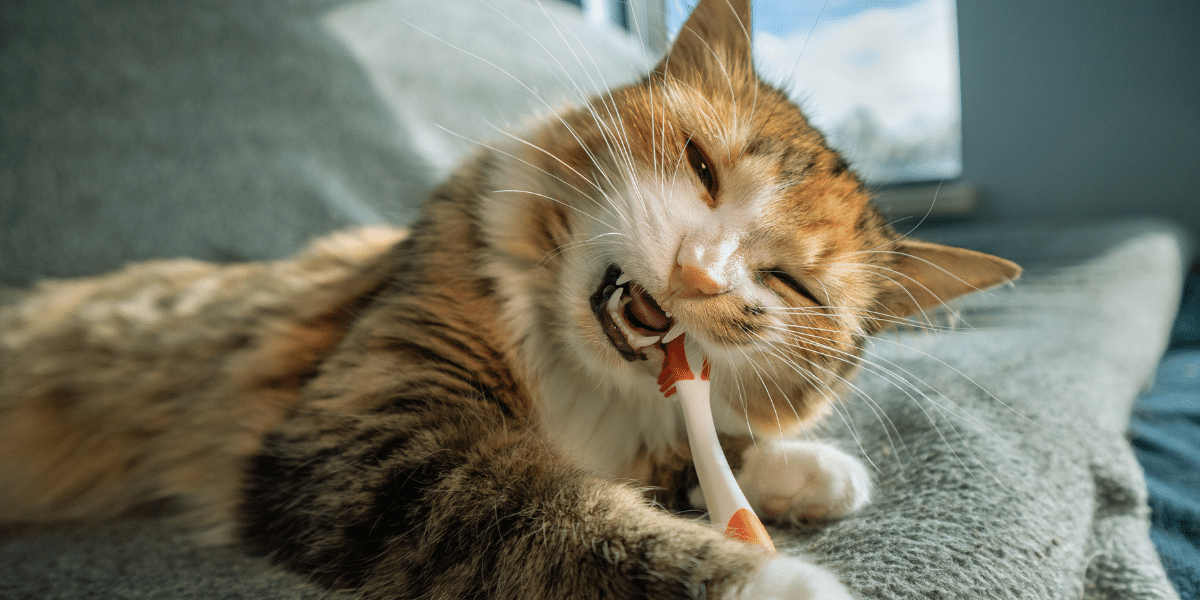

Pica in cats is an eating disorder where felines ingest non-food items. This can include a variety of objects such as clothing, plastic, and even houseplants. Not only is this behavior concerning, but it also poses serious risks including choking, poisoning, or intestinal obstructions. Understanding the underlying reasons behind this behavior is crucial for responsible pet owners.
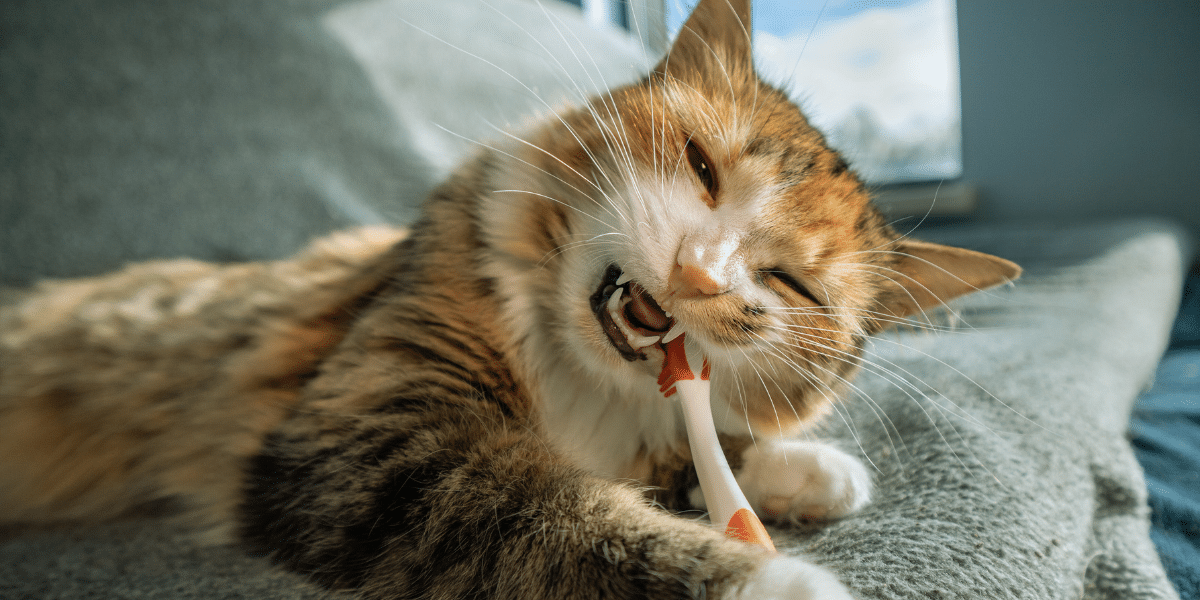
Wool-Sucking Behavior
Kittens that are taken from their mothers too early are prone to a behavior known as “wool sucking.” These cats may nurse on soft materials such as blankets, clothes, or stuffed animals. This behavior can provide comfort, much like thumb-sucking in children. However, it can lead to pica if the cat starts gnawing on or swallowing the materials they nurse upon, possibly moving on to more dangerous objects, including plastic bags or electrical wires.
Why Do Some Cats Eat Non-Food Items?
The behavior of eating non-food items can stem from various causes:
Genetic Predisposition
Certain breeds like Siamese and Birmans are more likely to engage in wool-sucking and may consequently have a genetic predisposition to develop pica.
Vitamin Deficiencies
Cats that are lacking specific nutrients in their diet may turn to non-food items as a source of nutrition. For example:
- Anemic cats might chew on their cat litter.
- Underweight cats may eat plant materials.

Medical Problems
Pica can also be a symptom of underlying medical issues such as:
- Feline Leukemia
- Feline Immunodeficiency Virus (FIV)
- Diabetes
- Brain Tumors
Lifestyle Factors
Boredom or a lack of mental stimulation can lead cats to eat non-food items to seek attention or engage in play. Mitigating this behavior can often be as simple as enriching their environment.
What Can You Do To Discourage Pica?
Talk to Your Vet
If your cat is displaying signs of pica, it is essential to consult a veterinarian. They can help rule out any medical issues and provide guidance on behavior modification strategies.
Remove or Replace Targeted Items
Keep non-food items out of your cat’s reach. If your cat has a habit of gnawing on specific objects, divert their attention with safer alternatives, like a treat-dispensing toy.
- If they chew on your clothing, consider providing interactive playtime or alternative chew toys.
- For plants that may be harmful, grow cat-safe grasses or catnip for them to nibble on.
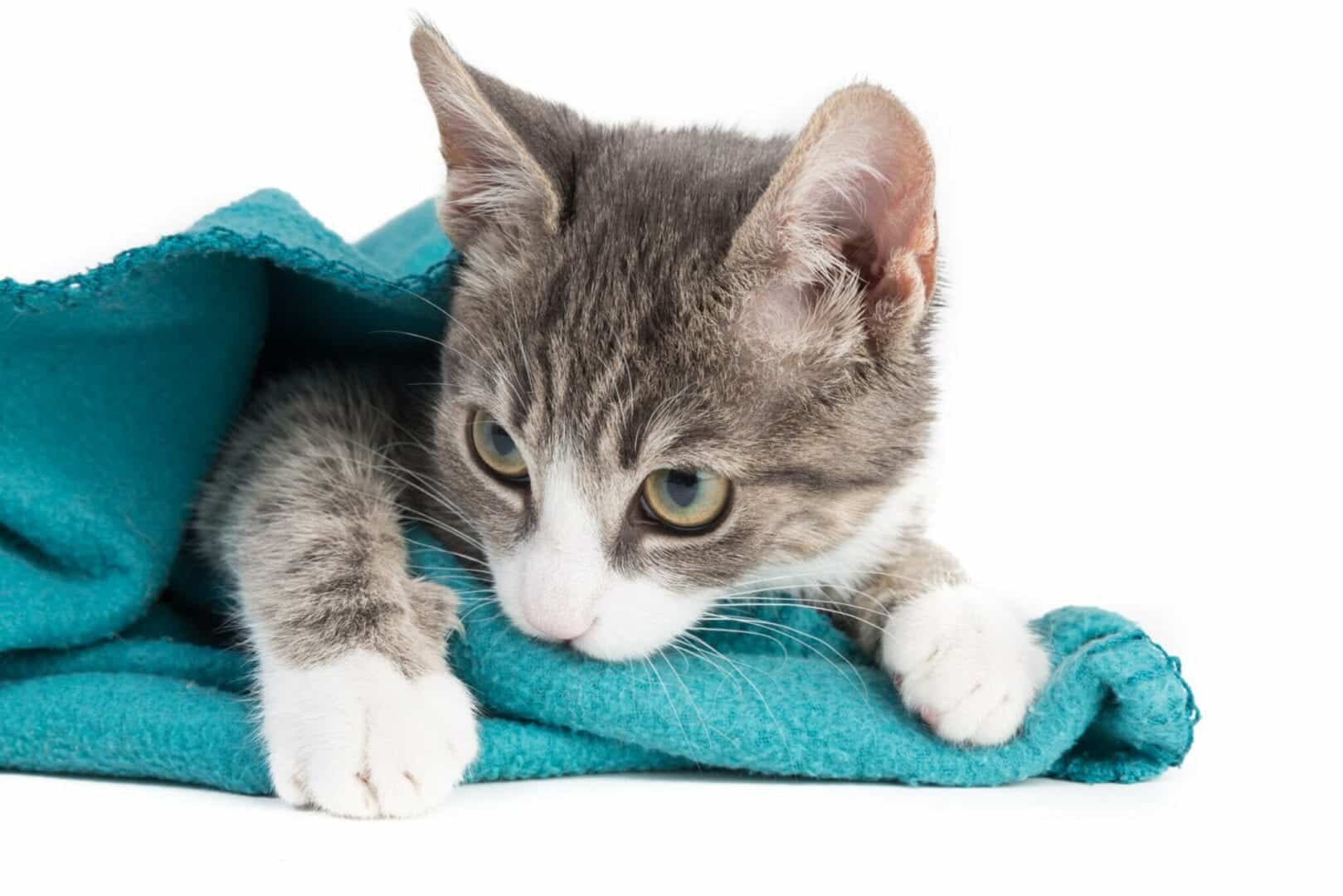
Give Your Cat More Attention
Loneliness or boredom could drive your cat to engage in pica behaviors. Set aside dedicated time each day for interactive play or provide new toys for mental stimulation to help keep their minds occupied.
Make Desirable Items Less Appealing
There are various scents that cats tend to dislike. Spritzing items your cat tends to chew with citrus or lavender may help deter them from those areas.
Be Patient
Change won’t happen overnight. Continuous observation and preventive measures are necessary to ensure your cat remains safe and healthy while addressing pica.
Cats are adorable companions, but understanding their quirks and behaviors is essential to ensuring their health. By addressing pica with informed strategies, pet owners can help their furry friends lead safe and happy lives.




Facebook Comments