
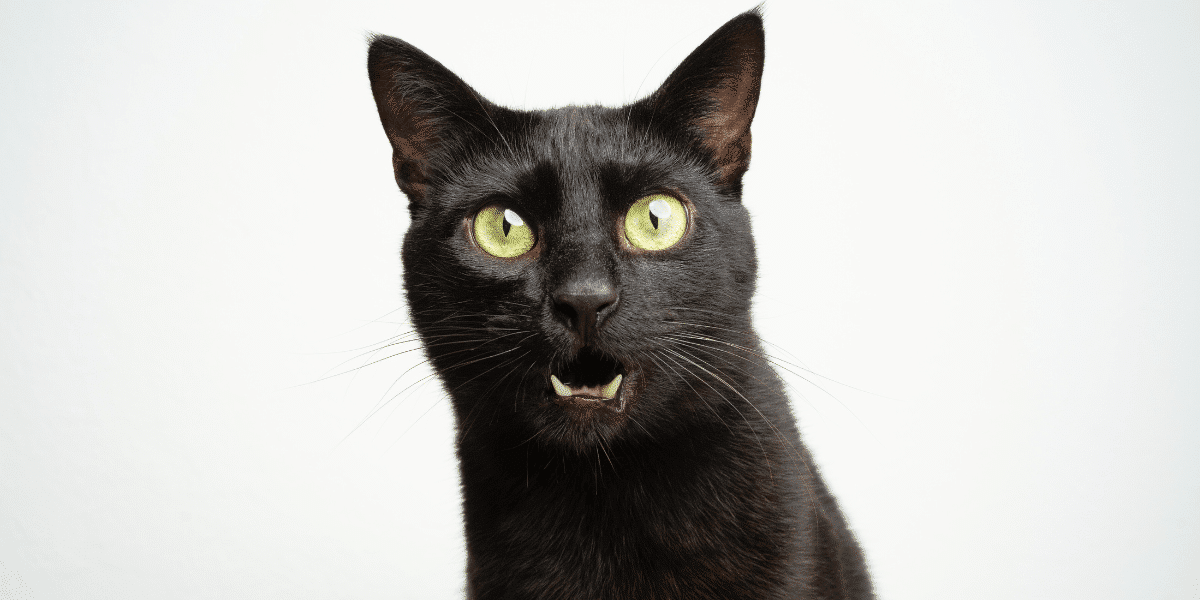

Why Your Cat Won’t Stop Meowing and What It Means
You know your cat is trying to tell you something with all those meows and yowls, but the trick is in the translation. Without speaking the same language, it’s up to you to communicate with your cat and understand her wants and needs. While cats can make numerous vocal sounds, they primarily reserve their characteristic meowing for interactions with humans.
All cats meow at their humans on occasion, but what happens when your cat won’t stop meowing? Excessive meowing is a clear indication that something is amiss with your cat. Here are five common reasons why your feline may be particularly vocal:
1. Illness or Injury
The first thing to consider if your cat won’t stop meowing is her health. Cats are known for hiding their pain, but there are times when your cat will vocalize to communicate discomfort. Pain, illness, or even thirst might prompt your cat to speak up. Regardless of your cat’s health history, unpredictable issues can arise, and if you notice unusual behavior or sounds, it’s best to consult your veterinarian.

2. FEED ME
This classic communication maneuver signals that your cat is hungry. Some cats learn when it’s time for their meals and become vocal if you’re late in serving food. However, responding to this behavior by feeding your cat every time she meows can lead to problematic begging. Instead, try to avoid reward-based actions during vocal outbursts and only serve meals at designated times.
3. Desperate for Attention
Even though cats are often more independent than dogs, they still crave your attention. If your cat spends long hours home alone, she might start meowing for attention when you come home. Spend quality time with your cat daily, whether it’s engaging with toys or simply relaxing together. However, be careful not to reward excessive meowing or demanding behavior. Initiate interaction when she is calm and quiet.

4. Signs of Stress
Some cats become more vocal when they are stressed. This behavior typically doesn’t stop until they feel more secure. Factors like changes in routine, new guests, or conflicts with other pets can all contribute to a cat’s stress. Look out for other signs of unease, such as changes in litter box habits or excessive grooming. Identifying the source of stress can help you address your cat’s needs effectively.
5. Cognitive Decline
As cats grow older, they can experience cognitive dysfunction, which may manifest as increased vocalization. Older cats might become confused or disoriented, leading them to meow more frequently without apparent reason. If your older cat seems more vocal than usual, consider consulting your veterinarian. They may provide medication or advice to help improve your cat’s mental clarity.
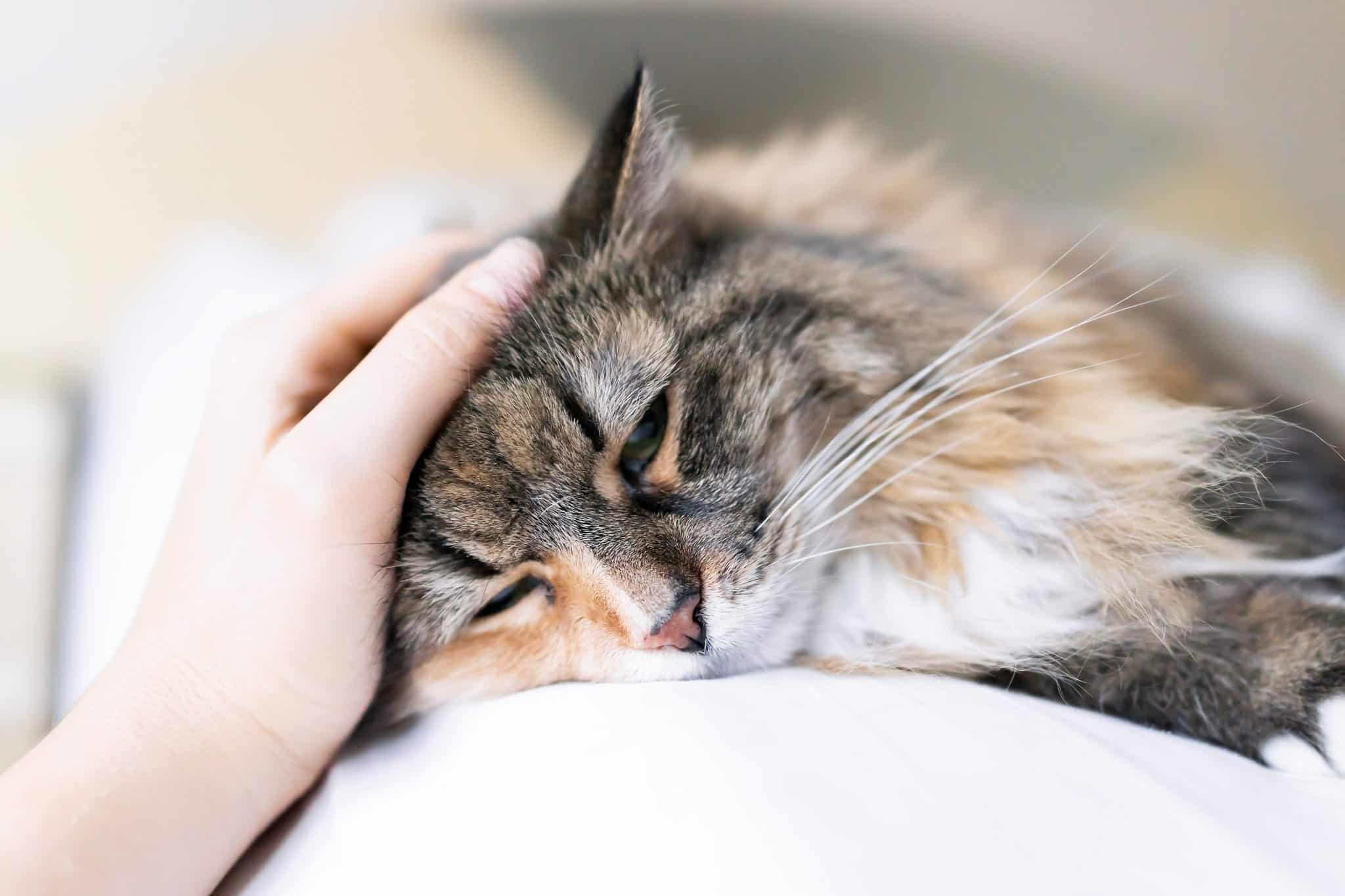
Understanding the reason behind your cat’s excessive meowing can help you improve her well-being. With careful observation and attention, you can fulfill her needs and maintain a harmonious household.




Facebook Comments